
The close association between motor skills and cognitive processes in the brain makes finger coordination extremely crucial in improving focus and reflexes. Accurate finger movements stimulate and use the parts of the brain that handle attention, sensory processing and motor control resulting in enhanced concentration and faster reflexes.
The Brain-Finger Connection
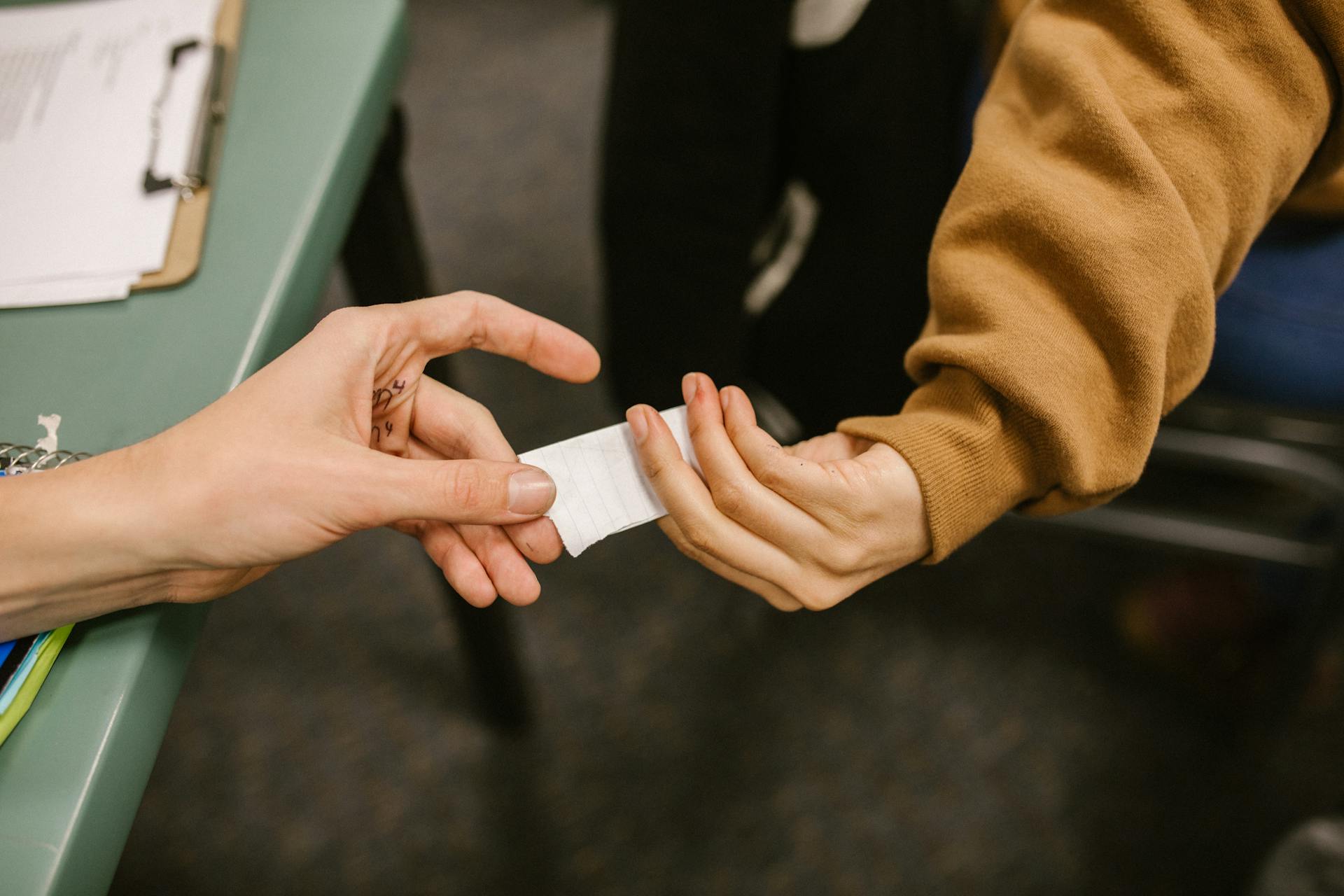 Tasks that involve coordination of the fingers involve the activation of several brain areas, especially the sensorimotor cortex, parietal areas, and the premotor cortex which participate in the planning and execution of movements. This brain activity and activation at the same time activate attentional networks, which improve concentration on tasks that demand accuracy. Research indicates that there is a strong correlation between the dexterity of fingers and the level of attention, which supports the cognitive-motor relationship that underlies better concentration during the practice of the fine motor skills.
Enhanced Reflexes Through Manual Dexterity
The act of finger coordination perfects the neural pathways that oversee quick and precise motions, enabling faster reflexive motions. Fine motor activities enhance the ability of the brain to handle the sensory input and produce immediate motor responses. This increases sensory-motor integration which enables improved reaction times in hand movements as well as in overall reflexive behaviors resulting in improved response speed and accuracy to stimuli.
Developmental and Learning Benefits

Early childhood development involves finger coordination which remains to have an impact on learning ability. Tasks involving finger action, such as the use of writing or musical instruments, improve hand-eye coordination and speed of cognitive processing. Besides, the correct incorporation of primitive reflexes, including the Asymmetric Tonic Neck Reflex, influences fine motor abilities and instrumental learning performance. The partial nature of the integration may limit the coordination and concentration, and the enhancement of these skills by specific activities increases the overall cognitive and motor performance.
Practical Applications and Exercises
Cognitive development and increased concentration can be supported by taking part in activities that require finger coordination, such as playing musical instruments, typing, crafting, or games that touch the fingers using the computer. These types of exercises promote neural plasticity, which enhances motor control and attentional networks. They also enhance hand dexterity, which is linked to enhanced sensorimotor coordination as well as reflexes needed in daily activities and complex activities alike.
The tightness of the brain motor and attention systems leads to the use of fingers in the enhancement of focus and reflexes. Through the exercise of the fingers in delicate, well-organized motions, the brain is also able to sharpen its focus and accelerate the reflexes, which are beneficial to the brain and cognitive development over a lifetime.