
Timeless Social Connection
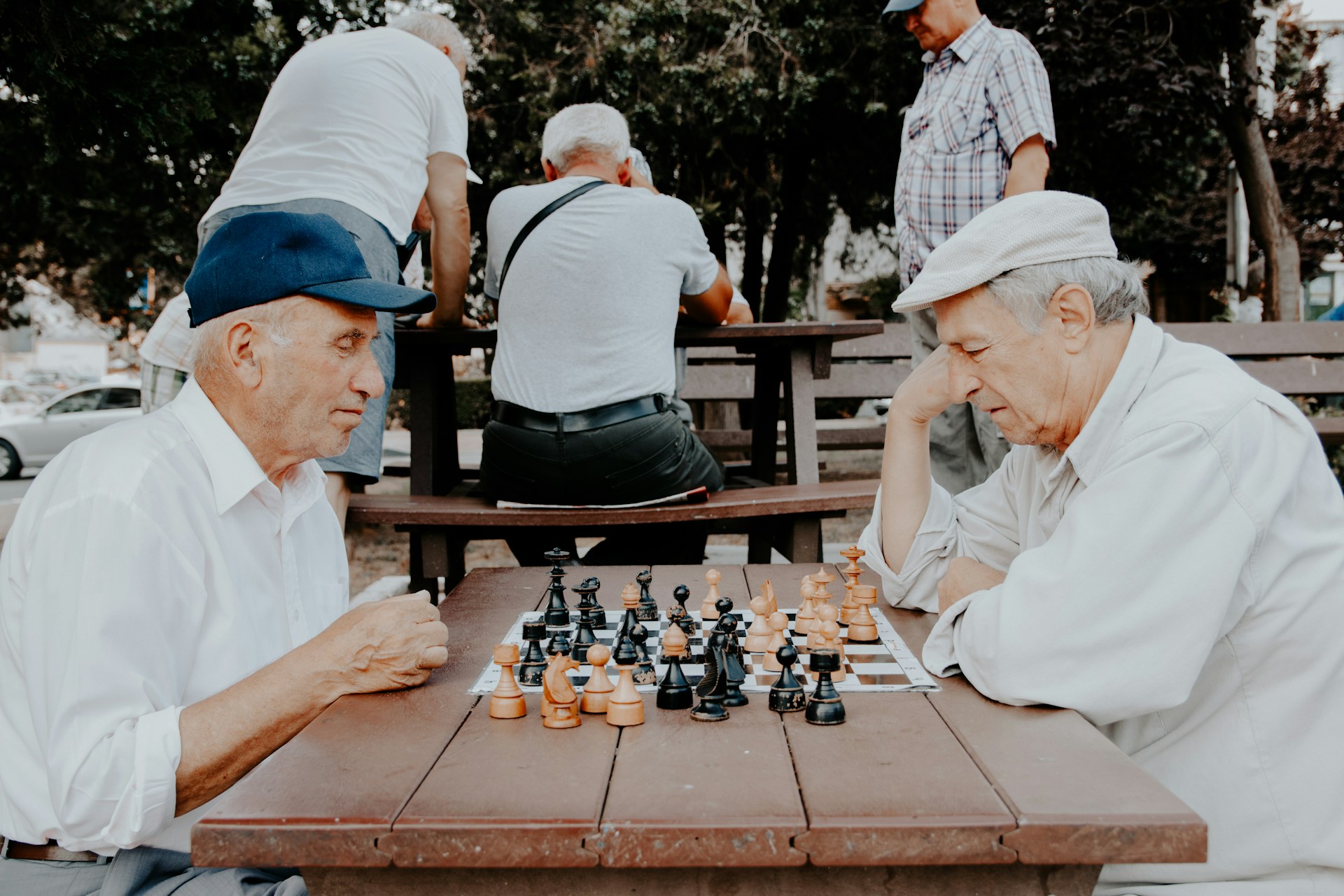 The games that involve two players are a fascinating and timeless concept due to the face-to-face contact they provide, which leads to a real social bond. As opposed to most digital games where players can be miles apart or even screens, being on the same side of the table as an opponent enables one to read the facial expressions, participate in real-time response, and share in banter. This one-on-one connection offers a level of warmth and immediacy to gameplay that builds connections and makes every game unforgettable. The physical feel of the game, the pieces placed on a board and the ease of sitting around a table, makes one feel nostalgic and comfortable, which never fades away.
Simplicity and Elegance of Design
A number of two-player games have simple rules and mechanics, which are simple to learn, but have deep strategy. This simplicity and complexity combine to make them enjoyable to all kinds of players and yet provide intellectual stimulation and enjoyment. Examples of how elegant design can generate a lasting interest with a simple game that requires a critical thought and adaptation include the old games such as Backgammon, Chess and the more recent hits such as 7 Wonders Duel that are specifically tailored to two-player play. The clarity of missions with the strategic opportunities makes the game sessions very fast and fulfilling, making the players repeat.
Psychological Drivers of Friendly Competition
The human psyche is addicted to challenge and competition and two-player games exploit these instincts. The competition with another person gives a definite, quantifiable objective and a feeling of accomplishment that would not otherwise be present in playing against the environment. High replay value is established by the dynamic nature of player-versus-player interaction in which each game is different due to the choices of the opponent. This inconsistency creates an addictive urge to become better, smarter than the other and win. Moreover, the aspect of social comparison in friendly competition increases motivation and the gameplay is emotionally involved.
Balancing Cooperation and Competition
 Even though two-player games can be competitive, most of them also masterfully combine cooperation and competition to make the experience of players richer. Players could alternate between cooperating in order to reach mutual aims or making temporary ceases, and go back to competition. This interaction is dynamic and dynamic as this fluid interplay of cooperation and competition makes interaction interesting and multifaceted. Games which encourage such balance offer more diverse and emotionally fulfilling experience as they combine social bonding with tough competition. This combination is more attractive to a wider variety of taste in players and keeps the interest longer across numerous sessions.
Enduring Appeal Across Generations and Formats
Since ancient board games that have been played and inherited by families to the present-day digital versions, two-player games have stayed relevant as they have changed with their players and technology. They provide the ancient entertainment that is flexible, portable and all inclusive. Regardless of whether a game is played offline over an eating table or online via digital games, the main idea of a two-player game: close social interaction, basic but rich mechanics, and friendly competition will never change. Such popularity over the years highlights the fact that such games are never out of fashion and will always keep players entertained by their own special combination of connection and challenge.
Such a combination of direct social interaction, graceful simplicity, psychological motivation, and changing forms is what makes two-player games have an unending popularity. They offer a form of entertainment and engagement that cannot be matched anywhere in the gaming culture and this makes them a part of the gaming culture in the years to come.